
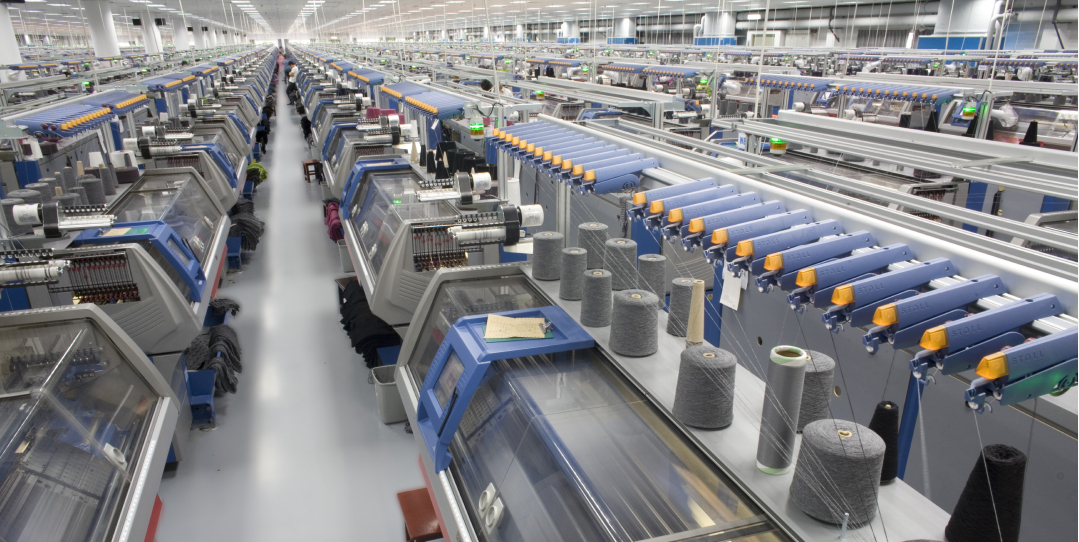
What Type of Fabric is DTY?
When it comes to modern textiles, Draw Textured Yarn (DTY) stands out as a versatile and widely-used material. But what exactly is DTY fabric, and why is it so popular? In this blog, we’ll explore the characteristics, uses, and advantages of DTY fabric to understand its significance in the textile industry.
What is DTY?
DTY is a type of synthetic yarn made from polyester. It is produced through a specialized process that involves drawing, texturizing, and heat setting the yarn to create a durable, elastic, and soft material. The result is a fabric that offers a unique blend of stretch and resilience, making it suitable for a variety of applications. Sai Satyam Texturiser is a key player in producing high-quality DTY yarn that cater to diverse needs.
Characteristics of DTY Fabric
Customizable: DTY yarn can be dyed and finished in a wide range of colors and patterns, catering to diverse design needs.
Moisture-Wicking: The fabric has moisture-wicking properties, making it breathable and suitable for activewear.
Wrinkle Resistance: DTY fabric is naturally wrinkle-resistant, which adds to its convenience and appeal.
Durability: Polyester’s inherent strength ensures that DTY fabric is resistant to wear and tear, retaining its shape and quality over time.
Elasticity: Thanks to its texturizing process, DTY fabric has excellent elasticity, making it ideal for garments that require stretch and comfort.
Soft and Smooth Texture: DTY fabric is known for its exceptionally soft and smooth surface, providing a luxurious feel against the skin.
How is DTY Fabric Made?
The production of DTY fabric involves several steps:
This meticulous process results in a yarn that combines flexibility, strength, and softness.
Heat Setting: The yarn is heated and set to stabilize its shape and properties.
Texturizing: Using heat and mechanical processes, the fibers are crimped to create texture and elasticity.
Drawing: The fibers are stretched to align the polymer molecules, improving strength.
Polymerization: Polyester pellets are melted and extruded to form fibers.
Applications of DTY Fabric
DTY fabric is a favorite in numerous industries due to its versatility:
Medical Textiles: DTY fabric is also utilized in bandages and compression garments because of its stretchability.
Lingerie and Undergarments: The soft and smooth texture ensures comfort for sensitive skin.
Home Textiles: It is commonly found in upholstery, curtains, and cushion covers due to its durability and aesthetic appeal.
Fashion Apparel: DTY fabric is used in dresses, skirts, and casual wear for its comfort and stylish appearance.
Activewear: Its elasticity and moisture-wicking properties make it perfect for sportswear and yoga clothing.
Advantages of DTY Fabric
Wide Availability: Its adaptability to different finishes and applications ensures that DTY is readily available in the market.
Low Maintenance: Easy to wash and quick to dry, DTY fabric is a practical choice for everyday use.
Eco-Friendly Options: Recycled polyester DTY is available, promoting sustainability.
Cost-Effective: Polyester-based DTY fabric is affordable while offering high-quality characteristics.
Conclusion
DTY fabric is a remarkable innovation in the textile world, offering a perfect balance of softness, elasticity, and durability. Its versatility makes it a go-to choice for everything from athletic wear to home decor. Sai Satyam Texturiser has played a pivotal role in bringing top-tier DTY fabrics to the market, ensuring high standards of quality and sustainability. Whether you’re looking for comfort, performance, or style, DTY fabric delivers on all fronts. As advancements in textile technology continue, DTY fabric’s applications are expected to expand further, solidifying its position as a cornerstone of modern fabrics.