
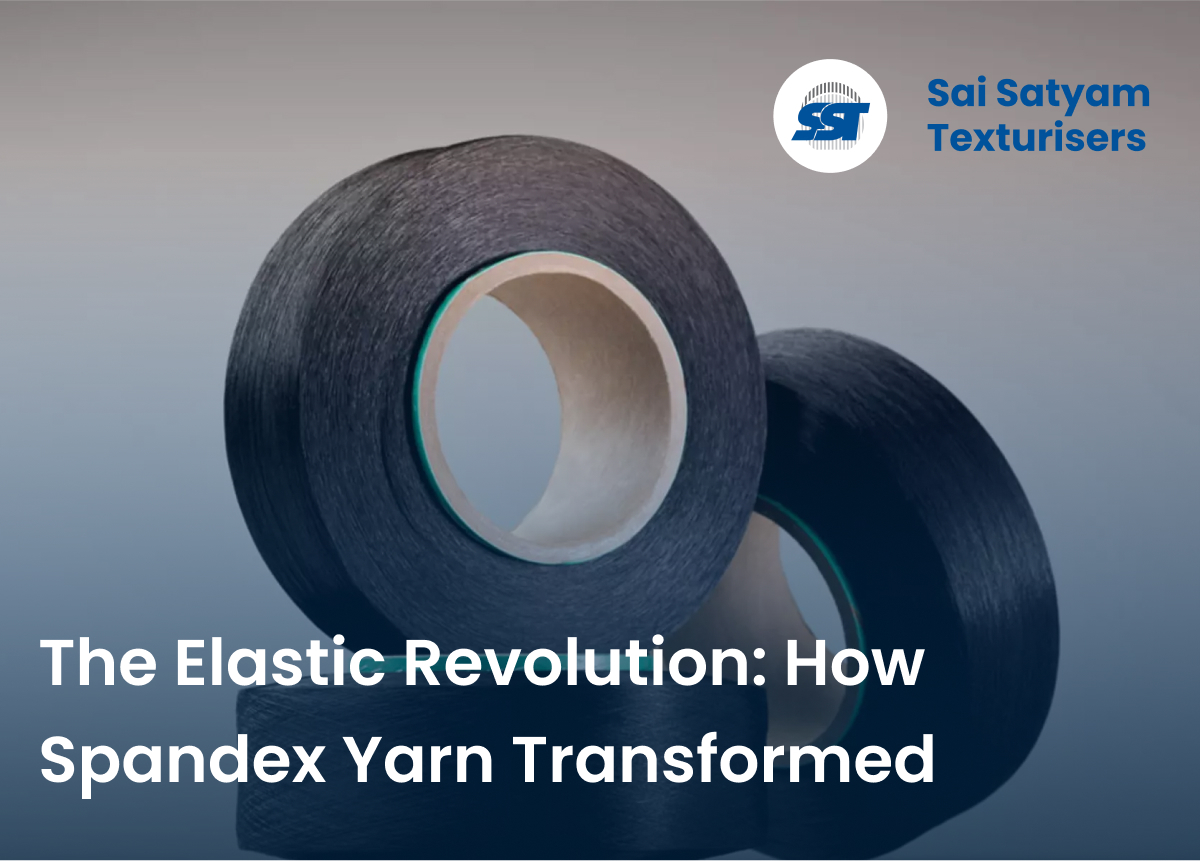
In the realm of textiles, there's a material that reigns supreme when it comes to elasticity, comfort, and versatility: spandex yarn. Also known as elastane or by the brand name Lycra, this synthetic fiber has revolutionized the way we think about clothing and fabric technology. In this blog post, we'll unravel the mysteries of spandex yarn, exploring its composition, properties, applications, and impact on various industries.
What is Spandex Yarn?
At its core, spandex yarn is a synthetic polymer that possesses extraordinary elasticity. Its molecular structure allows it to stretch up to five times its original length and then return to its original shape without losing integrity. This unique property is what makes spandex yarn an indispensable component in a wide range of products, from athletic wear to medical garments.
Composition and Manufacturing Process
Spandex yarn is derived from a segmented polyurethane polymer. During the manufacturing process, the polymer is extruded into fine filaments, which are then spun into yarn. The key to spandex's elasticity lies in its molecular structure, which consists of alternating rigid and flexible segments. These segments allow the yarn to stretch and recover repeatedly without undergoing permanent deformation.
Properties of Spandex Yarn
The primary characteristic of spandex yarn is its exceptional stretchability. This elasticity enables fabrics containing spandex to conform to the body's movements, providing a snug and comfortable fit. In addition to stretch, spandex yarn exhibits excellent resilience, durability, and resistance to abrasion and chemicals. It is also lightweight, breathable, and quick-drying, making it ideal for activewear and performance apparel.
Applications in Various Industries
Spandex yarn finds applications across a diverse array of industries:
Apparel: Spandex is a staple ingredient in garments where stretch and comfort are paramount, such as leggings, swimwear, and undergarments. Its ability to enhance the fit and flexibility of clothing has revolutionized the fashion industry.
Sportswear and Activewear: Performance fabrics containing spandex offer athletes and fitness enthusiasts freedom of movement and moisture-wicking properties. From compression garments to yoga pants, spandex plays a vital role in enhancing athletic performance and comfort.
Medical Textiles: In the medical field, spandex yarn is used in compression garments, orthopedic braces, and elastic bandages. These applications capitalize on spandex's ability to provide targeted support and compression while allowing for natural movement.
Home Furnishings: Spandex yarn is also utilized in home textiles such as upholstery, curtains, and bed linens. Fabrics blended with spandex offer improved fit and durability, enhancing the functionality and longevity of household items.
Care and Maintenance Tips
To prolong the lifespan of garments containing spandex yarn, proper care and maintenance are essential. It is recommended to wash spandex fabrics in cold water with mild detergent and avoid using bleach or fabric softeners. Additionally, air-drying or using a low-heat setting on the dryer can help preserve the elasticity of the fabric. Avoiding excessive stretching or wringing out of spandex garments is also advisable to prevent damage to the fibers.
Future Trends and Innovations
As technology advances and consumer preferences evolve, the world of spandex yarn continues to innovate. Sustainable alternatives to traditional spandex production methods are being explored, aiming to reduce environmental impact and reliance on fossil fuels. Additionally, advancements in textile engineering are leading to the development of spandex blends with enhanced performance characteristics, such as improved moisture management and breathability.
Conclusion
Sai satyam Texturisers would be involved in these stages, likely specializing in texturizing and finishing processes to produce high-quality spandex yarns tailored for various applications in the textile industry.